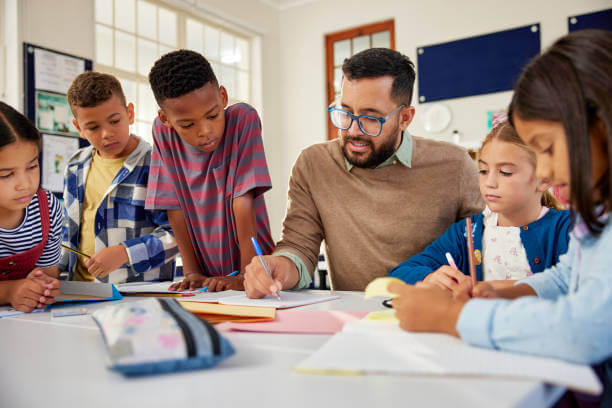
Before we can get along with each other or work together towards a common goal, we must get to know, understand, and respect each other. A key skill related to Social Awareness is empathy - the ability to understand and appreciate the feelings, thoughts, and attitudes of another person. Rather than ignoring or rejecting someone we disagree with, empathy helps us understand the other person, even if we don't agree. That understanding is essential to not only avoiding conflict, but also working together to achieve a common goal
Activity to Build Social Awareness: Grow Your Empathy
The foundation of empathy is the ability to recognize another person's emotions - to understand and appreciate what the other person is feeling. The goal of this strategy is simple - to help children develop their ability to show empathy.
Elementary Students
A great way to develop this skill with young children is to read books together and discuss how the characters in the story are feeling. Ask children questions like "How do you think the character is feeling?"
"Why do you think they feel that way?”
Do you think you would feel that way too?”
You can also encourage them to write short stories about people they know, focusing on how they felt in each situation. Make sure they focus on positive emotions and not just negative ones.
Middle School Students
Another key aspect of growing empathy is learning how to listen to others. "Active listening" refers to a set of skills to help us pay attention and understand what someone else is saying.
Active listening skills are especially important with difficult or hard conversations. With teenagers spending so much time communicating via social media, it can be hard for them to learn and practice active listening.
According to neurologist and former teacher Judy Willis, active listening entails suspending judgement, focusing on the speaker, avoiding interruptions, and responding and reflecting after a wait time. Review these pointers with children and help them practice these important skills.
High School Students
One of the most important benefits of well-developed empathy is that it can help us overcome biases, stereotypes, and prejudices. By enabling us to appreciate the experiences and feelings of others, empathy can help us better understand others and ourselves.
Encourage high schoolers to read books or watch movies that present the life experiences of people different from themselves. Use active listening skills to talk to adolescents about their reactions and thoughts.
Explore Additional Skills
Click a module to learn more about each skill measured by the DESSA and activities families or educators can use with students K-12 to build their skills.
SELF-AWARENESS A student’s understanding of their emotions and values and how they affect behavior. It includes knowing who they are and what they are good at doing.
SELF- MANAGEMENT A student’s ability to manage how they act and feel in different situations. It includes setting goals and working hard to achieve them.
RESPONSIBLE DECISION MAKING A student’s ability to make thoughtful and reliable choices. It includes being open to new ideas and being curious.
SOCIAL AWARENESS A student’s understanding of what is expected of them in different situations. It includes showing empathy and respect for others.
RELATIONSHIP SKILLS A student’s ability to create and keep positive, healthy relationships. It includes good listening, solving problems together, and supporting others.
OPTIMISTIC THINKING A student’s tendency to be confident, hopeful, and to focus on the positive. It includes believing that hard work pays off and that they can overcome setbacks.